
An atv snow blower attachment turns a quad you already own into a clearing machine. For a long rural laneway, a quad or side by side with a blower on the front is a genuinely better answer than a walk behind machine. You are seated, you are moving at a sensible speed, and you already own the engine. This page is about atv utv snow blowers for Canadian properties, and every note below is written with that in mind.
On this page
- Blower or plow: atv snow blower guidance
- How they are driven: atv snow blower guidance
- Mounting is the real compatibility question
- Machine requirements: atv snow blower guidance
- What actually makes the winter tolerable: atv snow blower guidance
- Common questions
- What it is actually like to use one
- Weight, and why it decides everything
- Tracks versus chains
- Maintenance over a season
- Storage
- When a quad blower is the wrong answer
- Buying used
- Cost compared with the alternatives
- Insurance, registration and road use
- Setting up before the first storm
- Getting the setup right for your property
- Realistic expectations on throw distance
- Where to buy and what to check on delivery
- Before your first storm
- Is an ATV snow blower worth it
Blower or plow: atv snow blower guidance
Most ATV owners reach for a plow blade first because it is cheaper and simpler. A blade is the right call if you have somewhere to push snow. On a laneway lined with trees, fencing or a ditch, you run out of room by the third storm and end up with walls too high to push through.
A blower throws snow clear instead of piling it. It is slower per pass and costs more, but it does not accumulate a problem. If your laneway is long, bordered, or you clear more than a handful of times a season, the blower wins.
How they are driven: atv snow blower guidance
Self powered (engine on the attachment)
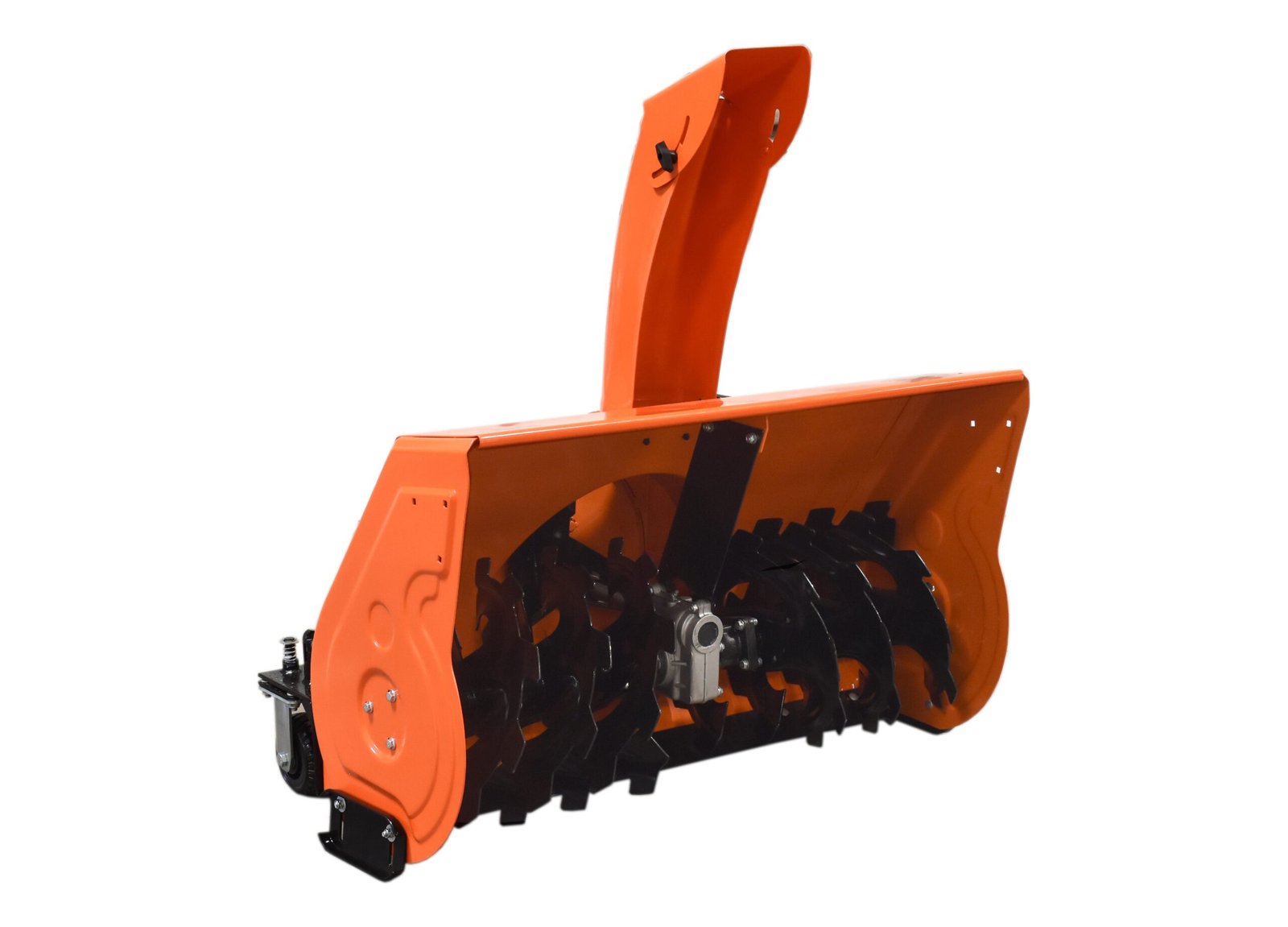
The most common setup in Canada. The blower carries its own engine, typically 10 to 15 hp, and the quad simply carries and steers it. Compatibility becomes a mounting question rather than a drivetrain question, which is why these fit the widest range of machines. The trade is weight on the front end and a second engine to maintain.
Hydraulically driven
Runs off the machine hydraulics on UTVs and side by sides equipped for it. Cleaner, lighter on the nose, one engine to service, and controlled from the seat. Only an option on machines with sufficient hydraulic flow.
PTO driven
Rare on ATVs, more common on purpose built utility machines. Efficient, but the narrowest compatibility of the three.
Mounting is the real compatibility question
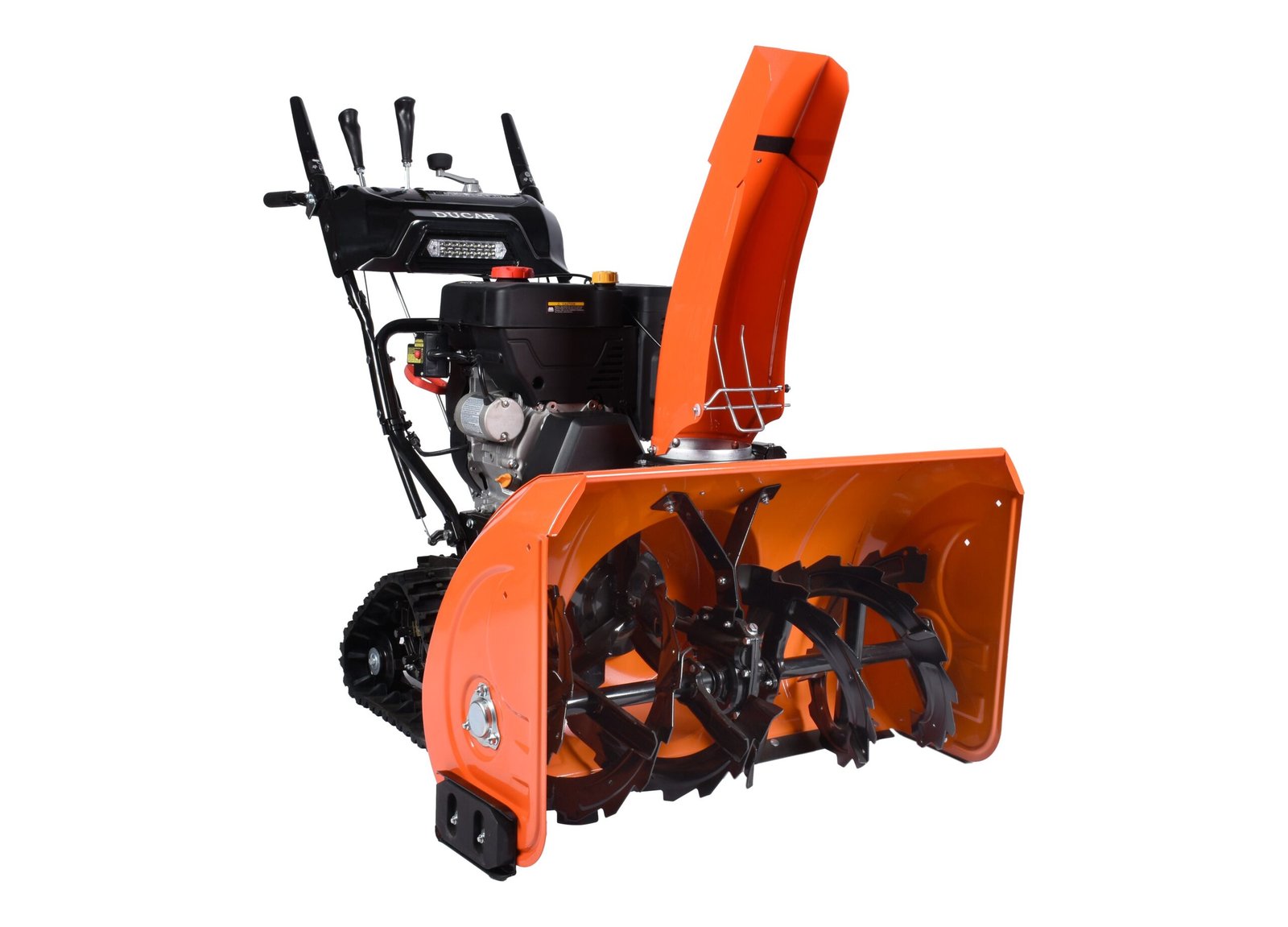
Nearly every ATV and UTV blower uses a mount plate specific to your machine make, model and year. The blower itself is often universal, the plate is not. Ordering the blower without confirming the plate is the single most common mistake in this category.
Before ordering, confirm: machine make, model and exact year; whether you already run a plow mount, since many blowers share the same push tube system; and front rack or bumper clearance.
Machine requirements: atv snow blower guidance
| Machine | Realistic blower width | Notes |
|---|---|---|
| 400 to 500cc ATV | 48 to 50 inches | Self powered only. Watch front suspension load. |
| 570 to 850cc ATV | 50 to 54 inches | The sweet spot for most rural laneways. |
| UTV / side by side | 54 to 66 inches | Hydraulic drive becomes viable. Best comfort by far. |
Independent front suspension has a load limit. A self powered blower can add 90 to 140kg on the nose, so check the machine front rack and suspension rating rather than assuming.
What actually makes the winter tolerable: atv snow blower guidance
- Tracks or chains. A quad pushing a blower on packed ice without traction aids is an exercise in frustration.
- Electric chute rotation. Manual means dismounting in the cold. On a long laneway you will change throw direction constantly.
- A windshield or cab. You are driving into thrown snow. This is not a luxury item in February.
- Heated grips. Cheap, and the difference between a ten minute job and a miserable one.
Common questions
Will an ATV snow blower fit my quad?
Do I need a big engine on the ATV itself?
ATV snow blower or plow blade?
Can I use one on a side by side?
Do I need tracks?
Also worth comparing: tractor and 3 point hitch blowers if you own a compact tractor, or skid steer blowers for larger volumes.
Off road vehicle rules vary by province and are worth checking before clearing anything beyond your own property. Transport Canada covers vehicle standards, and equipment safety guidance is published by the Canadian Centre for Occupational Health and Safety.
What it is actually like to use one
Worth setting expectations, because this category is sold on photographs and used in the dark at minus eighteen.
You are sitting on an unheated machine, moving at walking pace, driving into a stream of thrown snow that the wind will occasionally hand straight back to you. Without a windshield you will be wearing a fair amount of it. With a cab and heated grips it is genuinely pleasant work and considerably better than walking behind a machine for the same forty minutes.
Speed is the real advantage. A quad with a 50 inch blower clears a long laneway several times faster than a 24 inch walk behind, not because it throws further but because you are covering ground at a sensible pace instead of trudging.
Weight, and why it decides everything
A self powered blower puts 90 to 140kg on the front of a machine designed to carry a fraction of that on the rack. Consequences worth planning for:
- Front suspension sits low. Preload adjustment helps. Some owners fit stiffer front springs specifically for the winter setup.
- Steering gets heavy at low speed, which is exactly when you are manoeuvring around obstacles. Power steering, if your machine has it, earns its keep here.
- Rear traction drops because weight has transferred forward. Rear weight, chains or tracks restore it.
- Mounting and dismounting is a two person job on most units unless you build or buy a wheeled dolly or use a hoist in the shed. Plan for this before the first storm, not during it.
Tracks versus chains
Chains are inexpensive, fit in a corner of the shed, and solve most traction problems on a packed laneway. They are the right first purchase.
Tracks transform the machine. Flotation over deep unpacked snow, grip on slopes, and the ability to keep working when chains would simply spin. They also cost a significant fraction of the blower itself, slow the machine down, add steering effort, and wear on bare pavement.
If your laneway is packed and reasonably flat, chains. If you are clearing fresh deep snow on a slope, or the laneway drifts in faster than you can clear it, tracks.
Maintenance over a season
Self powered blowers carry a small engine and it needs the same care as any other. Fresh fuel with stabiliser, an oil change once a season, a spark plug annually, and shear bolts kept in stock.
The item people forget is the mount hardware. Vibration works bolts loose over a winter of use. Check the mount plate and push tube fasteners every few clearings, especially after the first two or three, when everything beds in. A blower that comes loose at the mount while under load damages both the attachment and the machine.
Storage
Drain or stabilise the fuel, grease the fittings, and store off the ground. Rust in the auger housing hurts throwing performance the same way it does on any blower. Because these units live on a rack rather than on wheels, they are easy to store on a pallet or purpose built stand which keeps the underside dry.
When a quad blower is the wrong answer
Be honest about this before spending. It is the wrong tool if your driveway is short and paved, where a walk behind is cheaper and easier; if you have nowhere to store both the machine and the attachment; if you cannot lift or mount it without help and have no hoist; or if your laneway is wide enough that a tractor mounted blower would finish in a third of the time.
It is the right tool on a long rural laneway, on an acreage with multiple areas to clear, and anywhere you already own the quad and want winter use out of it.
Buying used
Check the engine starts and runs cleanly under load rather than just idling, inspect the auger and impeller for previous repair welds, check the housing bottom edge for rust perforation, and confirm the mount plate is present and matches a machine you actually own. Mount plates are frequently missing from used listings and are expensive to source separately.
Cost compared with the alternatives
A quad blower attachment typically costs more than a good walk behind two stage machine and considerably less than a compact tractor with a three point blower. The comparison that matters is against your own time. If a long laneway takes forty minutes with a walk behind and twelve with a quad, across sixty clearings a season that is a substantial part of your winter returned to you.
The other honest comparison is against paying someone. Contract clearing on a rural laneway across a full season often approaches the cost of an attachment within two or three winters, and you keep the asset.
Insurance, registration and road use
Rules vary by province. In several provinces an ATV used only on private property needs no registration, while any road use, including crossing a road to reach a neighbour, brings registration and insurance requirements into play. If you intend to clear anything beyond your own property, check your provincial rules before assuming.
Setting up before the first storm
Do the full mount and a test run in October, not during the first snowfall. Confirm the plate fits, the hardware torques correctly, the controls reach comfortably from the seat, and the machine handles acceptably with the weight on the nose. Fit chains or tracks and set tyre pressures. Discovering a missing bracket at six in the morning in a storm is how this category earns its bad reviews.
Getting the setup right for your property
Walk the route before you buy. Note where the laneway narrows, where you will turn around, whether there is a slope, and where the snow can actually go. A quad blower throws roughly 6 to 10 metres depending on conditions, which is plenty on open ground and not enough if you are trying to clear a route bordered on both sides by mature trees.
Note also where you will store and mount the attachment. It needs to be somewhere you can reach in a storm, at a height that makes mounting manageable, and ideally under cover. Owners who end up disliking their setup almost always cite mounting hassle rather than clearing performance.
Realistic expectations on throw distance
Marketing figures are measured in ideal dry powder. In wet March snow, expect meaningfully less. This matters when planning where snow lands, because a bank that builds too close to the laneway edge narrows your route over the season and eventually has to be pushed back with a blade or a loader.
Where to buy and what to check on delivery
These units ship as freight because of their weight, so inspect before signing. Confirm the mount plate for your machine is in the box rather than on backorder, that the push tube and hardware are complete, and that the housing has no shipping damage to the auger opening. Photograph anything questionable before the carrier leaves, because freight claims are far easier to make on the spot than a week later.
Check the engine oil level before first start. Units frequently ship dry or with only shipping oil, and starting one without oil will destroy it in minutes. The manual will state the correct fill, and it takes two minutes to verify.
Before your first storm
Mount the attachment once in October, run it for five minutes, check every fastener, and confirm you can operate the chute controls comfortably while seated and wearing winter gloves. Gloves change what you can reach and grip more than most owners expect, and finding that out in daylight in October is far better than discovering it at six in the morning in a January storm.
Is an ATV snow blower worth it
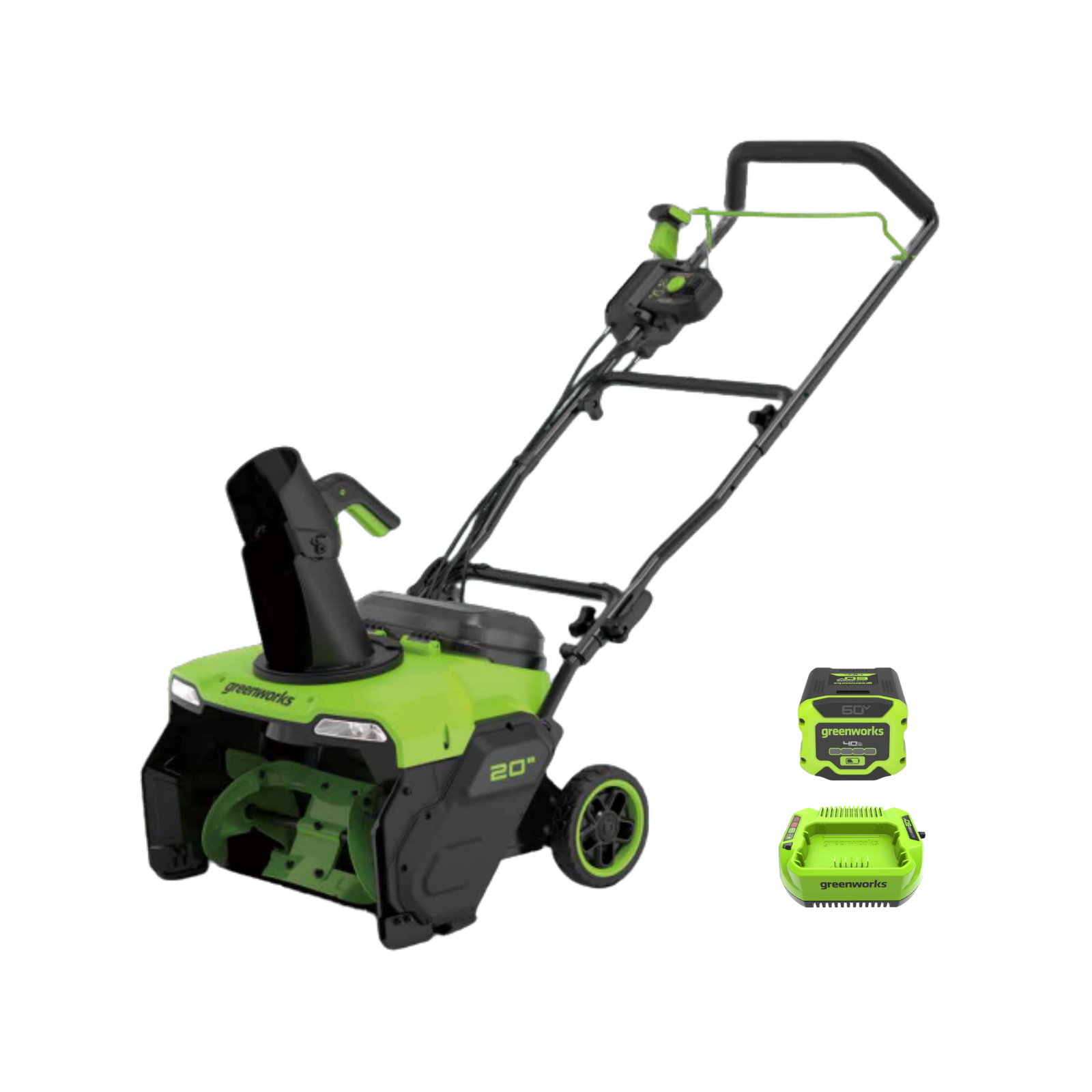
An ATV snow blower only makes sense if the quad is already in the shed. Buying a machine in order to mount an ATV snow blower on it is far more expensive than simply buying a wide two stage walk behind unit, and it will not clear a suburban driveway any faster.
Where the ATV snow blower earns its place is acreage, long approaches and properties with several buildings to connect. You ride rather than walk, which removes the physical limit on how much ground you can cover in deep cold, and that is usually the deciding factor rather than the width itself.
The practical caution is mounting. An ATV snow blower needs a compatible mount, adequate hydraulics or PTO drive depending on the design, and enough machine weight to stay planted. Confirm compatibility against your exact model before ordering rather than after a pallet arrives.
If none of that fits your property, the honest answer is a walk behind machine. Compare them in two stage snow blowers, or see mounted options in tractor snow blowers.
Atv utv snow blowers in Canada, summarised
Deciding atv utv snow blowers comes down to the same short list every time. Establish what fits your machine or your property, confirm the parts are held in Canada, and buy in autumn rather than during a storm week. Anyone weighing atv utv snow blowers on price alone usually ends up paying twice.
Everything covered here about atv utv snow blowers is written for Canadian conditions and Canadian pricing. Nothing crosses a border to reach you, so the figure at the checkout is the figure you pay, and atv utv snow blowers from stock held here arrives in days rather than weeks. If a detail is missing, the contact page reaches somebody who has worked on these machines.
A short checklist on atv utv snow blowers
- Confirm fitment before price. Working out atv utv snow blowers starts with the machine or the property, never with the cheapest listing.
- Check the parts. Anyone comparing atv utv snow blowers should ask what happens when a consumable fails in February.
- Buy in autumn. Freight on atv utv snow blowers slows noticeably once the first storms arrive.
- Compare delivered prices. A cheaper figure on atv utv snow blowers that adds freight and duty is not cheaper.
- Ask us. We would rather answer a question about atv utv snow blowers than process a return.
None of that is complicated, and it is most of what separates a good decision about atv utv snow blowers from an expensive one.
Buying atv utv snow blowers in Canada
Most people shopping for atv utv snow blowers already own the quad and are trying to avoid buying a second engine. That is the right instinct. A set of atv utv snow blowers costs a fraction of a dedicated machine and uses equipment that otherwise sits idle for ten months.
Two checks before you order. Confirm the charging output if the unit is electrically driven, because stock quad alternators do not carry a heavy load and a headlight at minus fifteen. And plan the ballast, because atv utv snow blowers hung off a short wheelbase unload the rear wheels and traction is the whole point.
Everything we hold in atv utv snow blowers is on the attachments hub, and fitment is confirmed in writing before anything ships.