
Snow blower parts are what decide whether a machine reaches year fifteen or becomes scrap in year six. None of them are expensive. All of them are the difference between a working driveway and a three week wait at a service shop in January.
Why snow blower parts decide machine life
A snow blower is used four months a year and should last fifteen to twenty. Across that life the engine rarely wears out. What wears out is a short list of consumables that touch the snow, the ground and the drivetrain, and every one of them is inexpensive and replaceable.
The machines that die early almost never die of wear. They die because a consumable failed and no snow blower parts existed for that model, or because the owner read a worn part as a worn out machine and replaced the whole thing. Both outcomes are avoidable, and both are why we stock this catalogue deliberately deep rather than as an afterthought.
Before buying any machine anywhere, search for a consumable part by its exact model number. If you cannot find one today with no urgency, that machine has a fixed remaining life. That check is set out in where to buy a snow blower in Canada.
The five snow blower parts that actually wear
| Part | Fits | Symptom when worn |
|---|---|---|
| Auger paddles | Single stage | Leaves snow, stops pulling itself, throws short |
| Scraper bar | Single stage | Leaves a strip of snow behind |
| Shear pins | Two stage | Engine runs, auger stops turning |
| Auger belt | Both | Auger turns slowly, stalls under load, throws nothing |
| Skid shoes | Two stage | Housing scrapes, auger sits too low on gravel |
Learn those five snow blower parts symptoms and you can diagnose almost any snow blower fault in the driveway without tools. Four of the five are replaceable in under an hour with basic spanners.
Auger paddles and the scraper bar
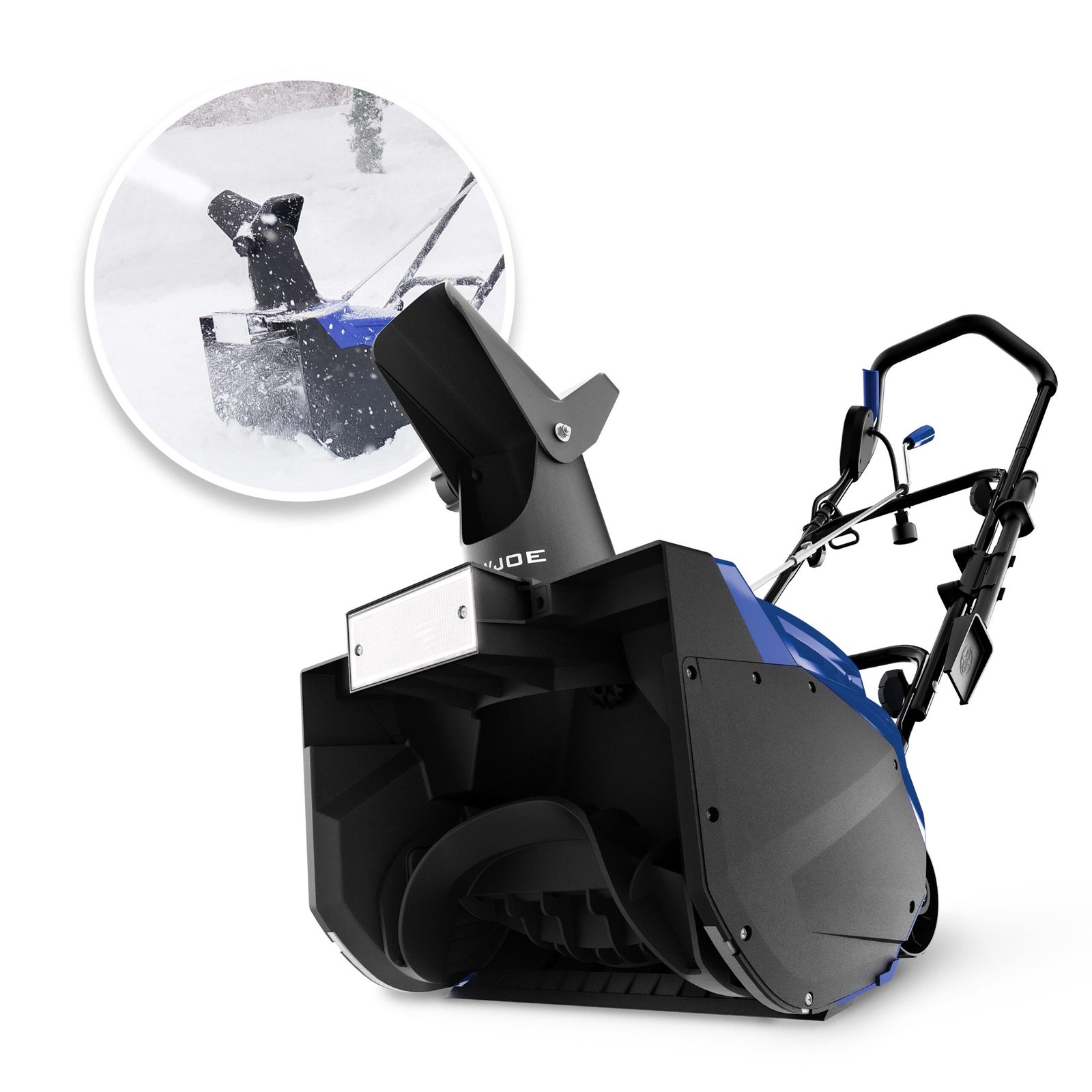
On a single stage machine the rubber paddles do three jobs at once: they collect the snow, they throw it, and by gripping the pavement they pull the machine forward. Because one part does all three, wear degrades all three together, which is why owners so often mistake worn paddles for a dying machine.
The scraper bar along the base of the housing wears in step with them and produces the same first symptom. Replace both together, since they wear at similar rates and doing one without the other means doing the job twice. Full detail in auger paddles explained.
Shear pins
Shear pins are deliberately weak fasteners holding the auger to its drive shaft. When the auger meets something immovable, the pin snaps and disconnects the auger, protecting the gearbox behind it. Breaking one is the system working, not failing.
Never substitute a hardware store bolt. A grade 5 or grade 8 fastener is far stronger and will not break, so the load transfers into the auger gearbox, which on many machines is uneconomic to repair. That single substitution writes off more machines than any other mistake in this category. See shear pins explained.
Belts
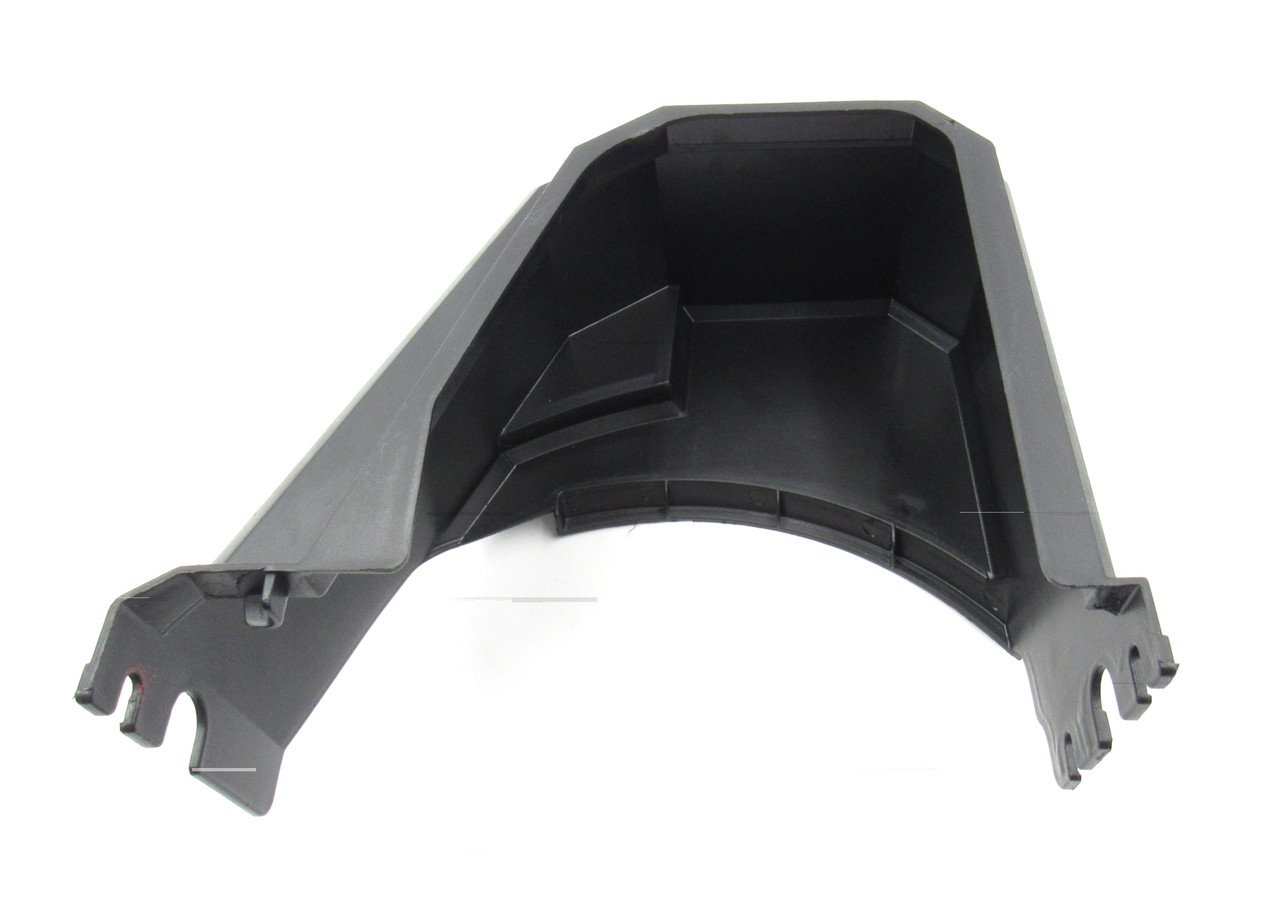
A worn auger belt is the most common reason a machine runs perfectly but throws nothing. The belt glazes or stretches, slips under load, and the auger turns slowly with no drive behind it. Machines used on long driveways or in heavy wet snow wear belts noticeably faster.
Inspect belts at the end of every season rather than waiting for a failure mid storm, and keep a spare for the model you own. Drive belts and auger belts are separate items on most machines, so check which one your symptom points to.
Skid shoes
Skid shoes are the metal plates either side of the auger housing on a two stage machine. They set the gap between auger and ground, and adjusting them correctly is the single most important setup step you will do.
Raise them about a centimetre on gravel so the auger cannot pick up stones. Lower them on pavement for a closer cut. They are cheap and replaceable, and replacing worn shoes costs far less than repairing an auger housing that has been ground down against concrete.
Ordering the right snow blower parts
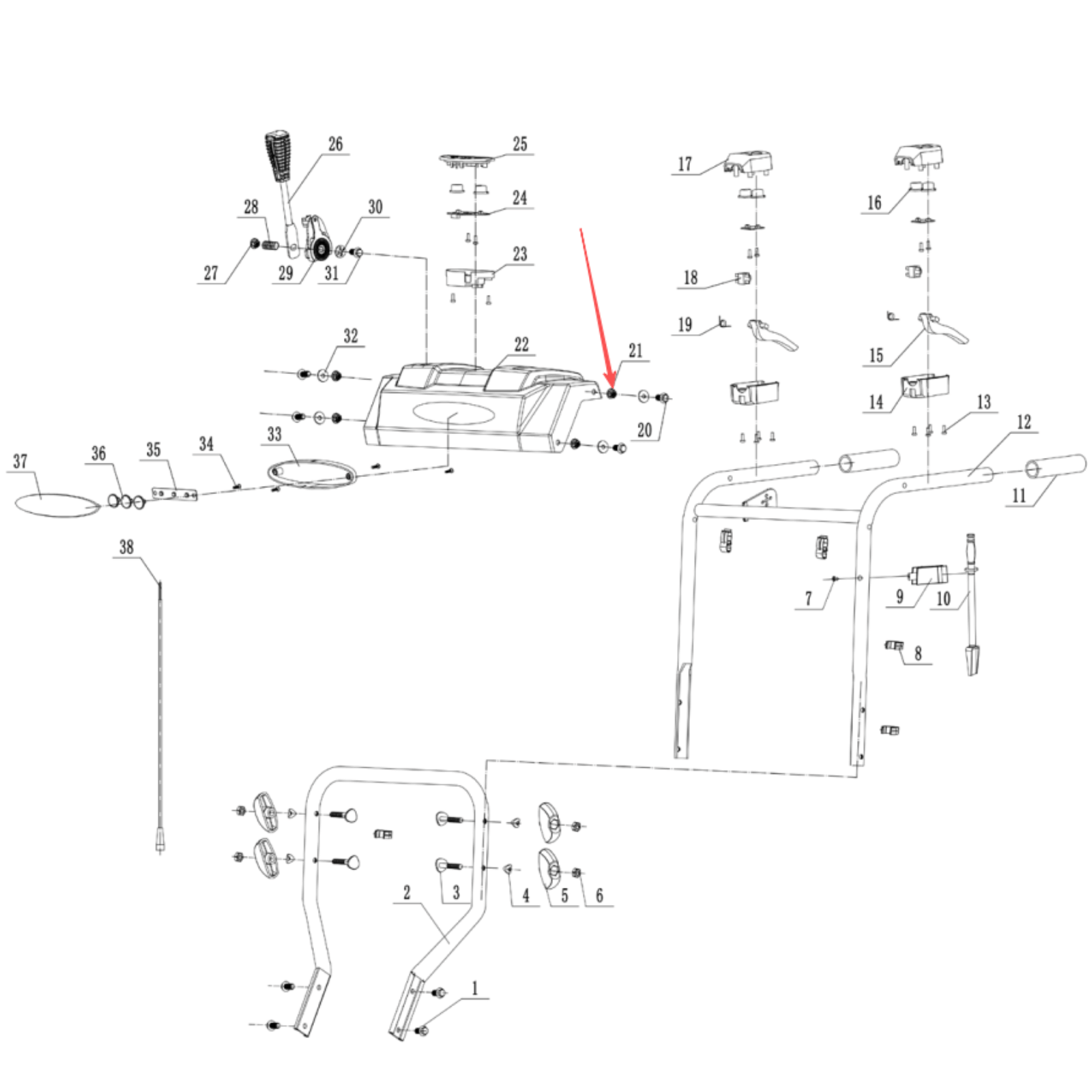
Order snow blower parts by the model number on the machine plate, never by brand and never by eye. Manufacturers run several auger widths within one model year, and a paddle set a centimetre out will not sit correctly against the scraper bar.
Photograph the plate once and keep it on your phone. It is usually on the rear of the housing or under the handle mount, and every parts search starts there.
Check whether your machine takes a full paddle set or individual segments, since both designs are common, and whether the paddles are handed. Fitting a handed paddle backwards is the most frequent error in the job, and the machine will run while clearing badly, which makes it hard to spot.
Buy the fasteners at the same time. Originals corrode in road salt and often shear or round off on removal, and discovering that with the machine tipped over is avoidable for the price of a few bolts.
What to keep on the shelf
- Four shear pins if you run a two stage machine. They break during storms, never in October.
- One spare auger belt for your model.
- A paddle set and scraper bar if your single stage machine is more than two seasons old.
- Fuel stabiliser for gas machines, used every April.
- A spare clearing tool, because the original always goes missing and a hand is not a substitute.
Order these in April or September, when nothing is urgent and everything is in stock. Ordering in January means competing with the whole country for the same snow blower parts. The seasonal routine is in the maintenance checklist, and diagnosis is in the repair guide.
Working safely matters when fitting any of these, since your hands go inside the auger housing. Always stop the engine, remove the key and disconnect the spark plug lead first. Guidance on safe work with powered equipment is published by the Canadian Centre for Occupational Health and Safety, and clearing is best timed against Environment and Climate Change Canada forecasts.
Service parts for gas machines
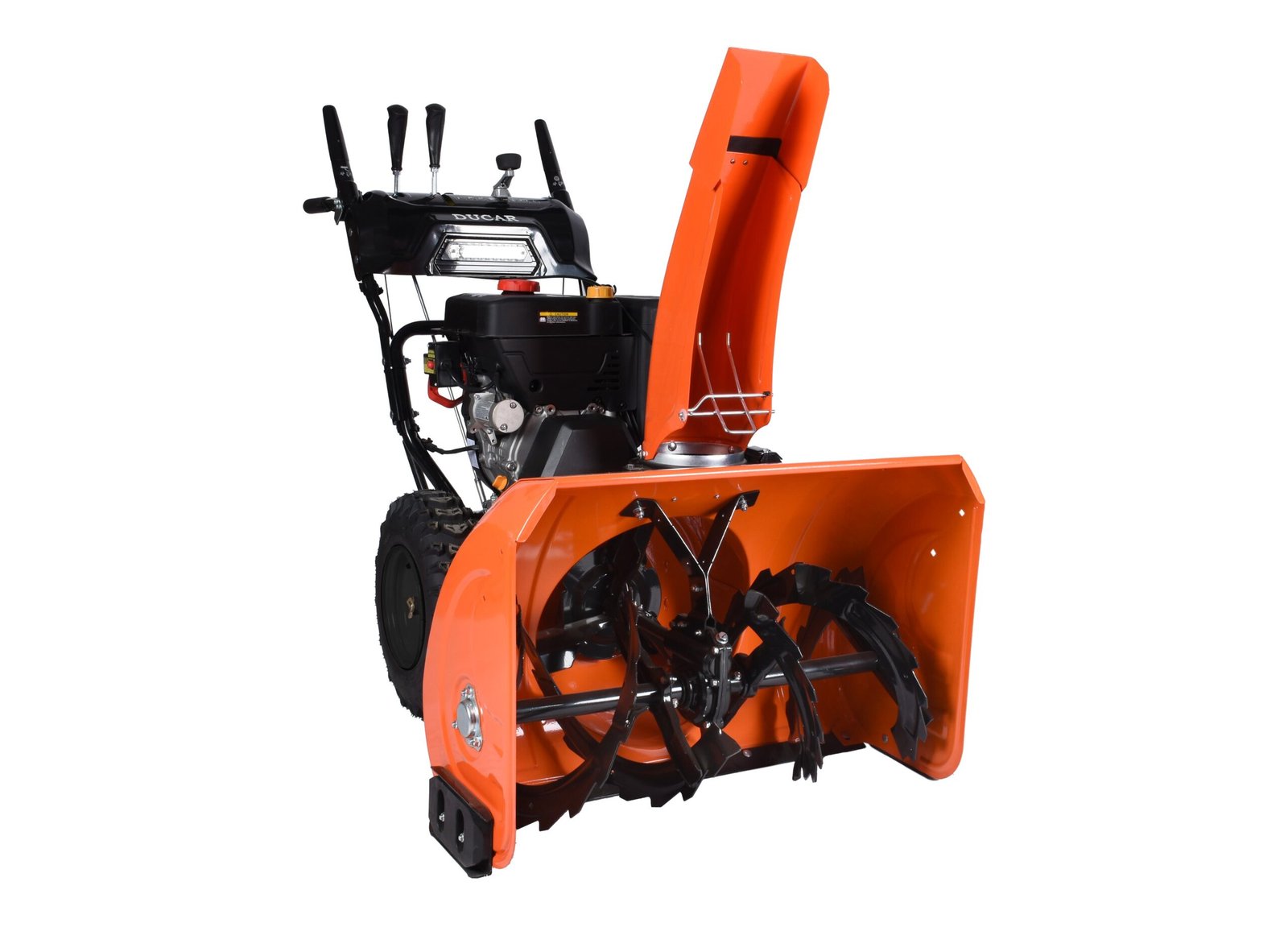
Gas machines add a second category of snow blower parts on top of the wear items above: the small engine service list. None of it is difficult and all of it is cheap, and skipping one item in particular ends more machines than everything else combined.
Spark plugs should be replaced every year or two. A plug that is black, sooty or wet will not fire reliably in deep cold, and it is among the cheapest parts on the machine.
Engine oil wants changing annually, at the end of the season while the engine is still warm so contaminants drain out rather than settling for eight months. Note that new machines ship dry, and starting one without oil destroys it within minutes.
Fuel stabiliser is technically a consumable rather than a part, and it is the single most important thing you will buy. Most Canadian pump gasoline contains ethanol, which varnishes over an eight month layup and blocks the carburettor jets. That failure is the leading cause of a machine that will not start in December, and it costs almost nothing to prevent. See why a snow blower will not start.
Carburettor kits exist for most engines if prevention came too late. On a simple snow blower engine a clean or rebuild is a realistic job with a manual and a socket set, though it is also the point where many owners reasonably decide to pay someone.
What snow blower parts actually cost to run
The arithmetic here is worth stating plainly, because it is the whole argument for keeping a machine rather than replacing it.
Across a Canadian season the snow blower parts a gas machine typically wants are oil, a spark plug every year or two, fuel stabiliser and a handful of shear pins. A spare belt sits on the shelf. On a single stage machine, paddles and a scraper bar are replaced every few seasons. Add it all together and the annual figure is small enough that most owners never think about it.
Set that against the alternative. A machine killed by untreated fuel becomes a carburettor bill at shop rates, in a queue measured in weeks, during the month you need it daily. A machine whose model has been orphaned with no parts supply is scrap the first time a belt fails, regardless of how sound the engine is.
Across fifteen to twenty years, a well maintained machine is frequently the cheapest option in this whole category, and that only holds if the consumables are actually available and actually fitted. Full figures are in snow blower prices in Canada and the lifespan reasoning is in how long do snow blowers last.
Which snow blower parts you can fit yourself
Most snow blower parts on this list are a driveway job rather than a workshop one, and knowing which is which saves both money and a wasted afternoon.
Straightforward for most owners. Shear pins take about ten minutes once the holes are aligned. Skid shoes are four bolts. Auger paddles and the scraper bar are usually under an hour, with penetrating oil for salt corroded fasteners. Spark plugs and oil changes are routine.
Worth thinking about. Belts vary enormously between machines. On some the auger belt is reachable in twenty minutes, on others the auger housing has to come off. Check a manual for your model before committing on a Saturday.
Where paying makes sense. Carburettor rebuilds, gearbox work and anything involving the drive friction disc. These are all doable, and they are also where an hour of labour is cheaper than a weekend and a bag of leftover fasteners.
Whatever you fit, stop the engine, remove the safety key and disconnect the spark plug lead before your hands go near the auger housing. A jammed auger holds tension and can rotate when freed, even with the engine off, which is covered in snow blower safety.
Common questions
Where can I buy snow blower parts in Canada?
How do I know which snow blower parts I need?
Can I use a bolt instead of a shear pin?
How often do auger paddles need replacing?
Do you stock parts for machines bought elsewhere?
When should I order snow blower parts?
What parts should I keep as spares?
Why will my snow blower not throw snow?
Not sure what is wrong? Work through the snow blower repair guide, or browse machines in shop by type.