
Almost every snow blower buying guide on the first page of Google was written for a different country. Different snowfall, different prices, different currency, and frequently an affiliate link where the recommendation should be. These snow blower guides are written for Canadian conditions by people who stock the parts, and they name machines we do not sell where those are the better answer.
On this page
Start here, depending on what you know
There is no single right order to read these snow blower guides in, so here is the honest routing, based on what you already know.
| If you | Read this first | Then |
|---|---|---|
| Have no idea where to start | Best snow blowers in Canada | Sizing by driveway |
| Know your snowfall depth | What size snow blower do I need | Single stage against two stage |
| Are comparing prices | Snow blower prices in Canada | Where to buy in Canada |
| Already own a machine | The maintenance checklist | Snow blower repair |
| Have a machine that will not run | Snow blower will not start | Snow blower repair |
| Own a tractor or quad | Attachments | Tractor snow blowers |
If you would rather not read anything, the snow depth finder on our home page sizes a machine from a single number in about ten seconds. The snow blower guides below are for when you want to know why.
Buying guides
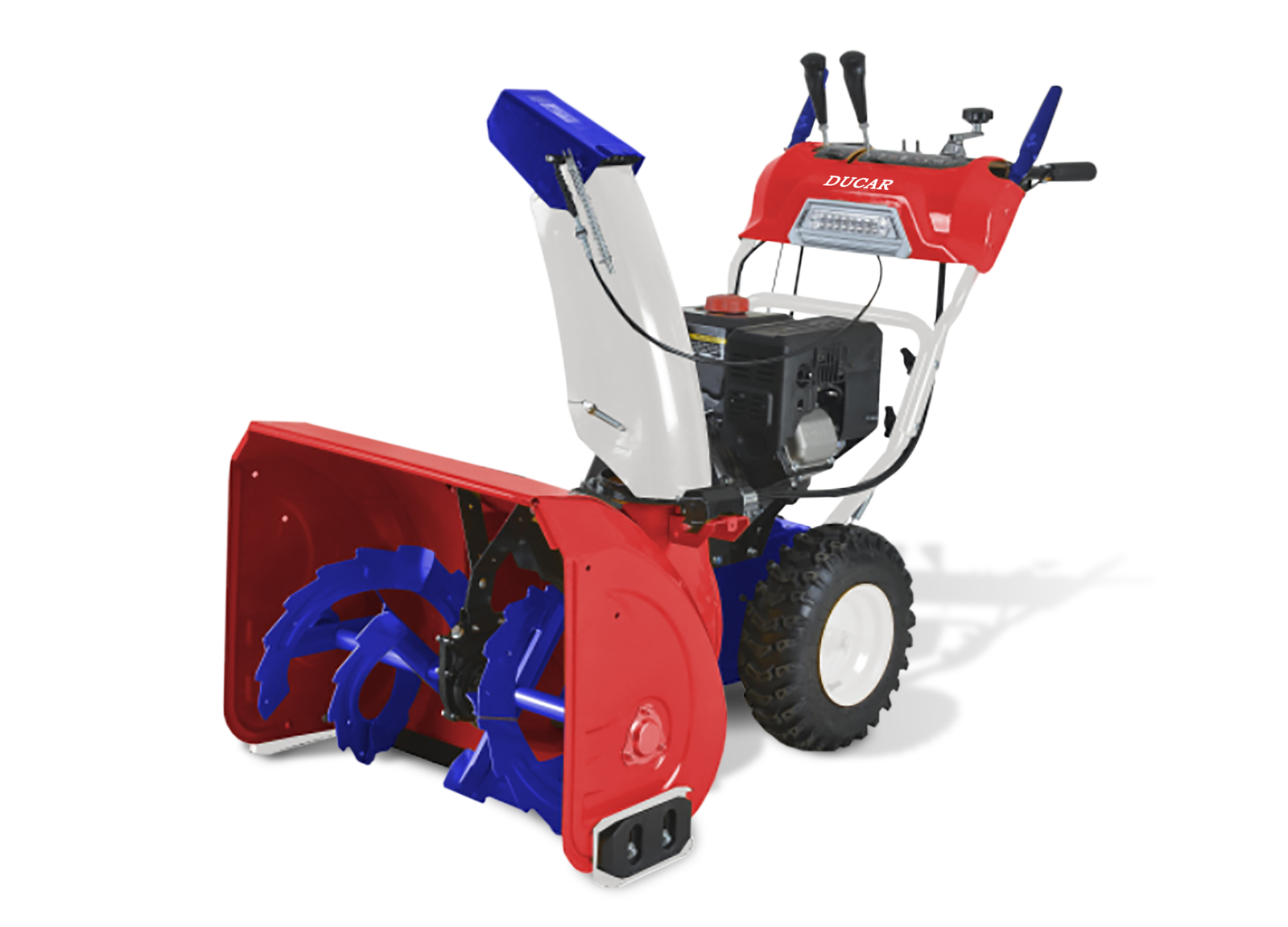
Three snow blower guides cover the buying decision from different angles, and together they answer most of what people write in to ask.
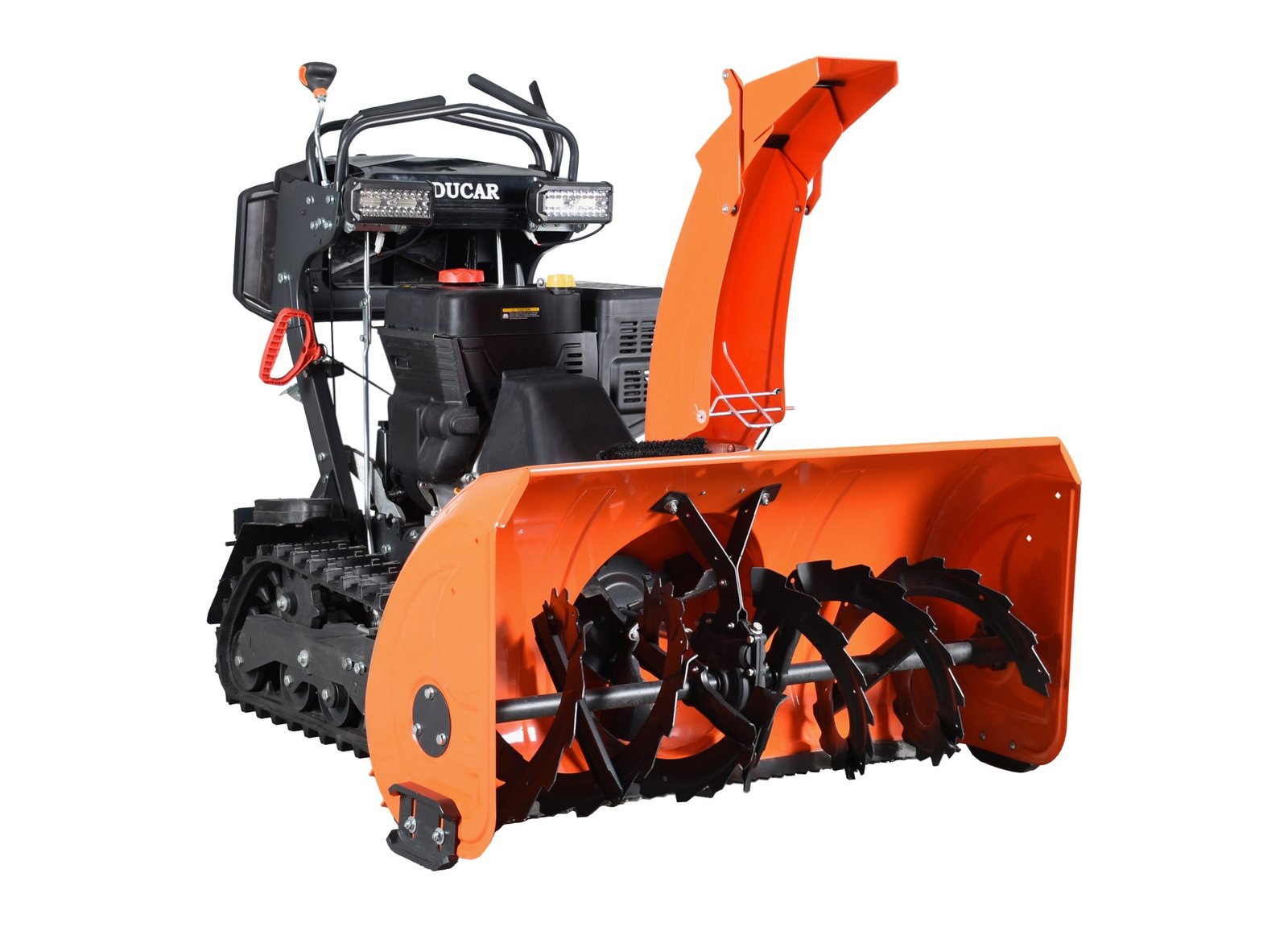
best snow blowers in Canada is the main one. Picks by driveway length and snowfall band, from an 18 inch corded electric through to a 42 inch tracked stand on machine, with the reasoning shown rather than a scoring table with no method behind it.
snow blower price guide sets out what each class actually costs in Canadian dollars, when clearance pricing lands, and why buying in October beats buying in January by a wide margin. It is the guide that saves people the most money.
where to buy a snow blower in Canada is the one most retailers would not publish. It compares the big box chains, the dealer network and online sellers, and it says plainly when somebody else has the better deal on a given week.
Sizing and class guides
Sizing is where the money is won or lost, and it is the part of these snow blower guides people skip most often. It is also the part that is hardest to undo later.
what size snow blower do I need works through the four measurements that decide it: driveway length, surface, typical single snowfall and storage width. Width is a time calculation, stage count is a capability question, and engine size takes care of itself once those two are settled.
single stage against two stage covers where the real cut off sits between the classes, why the plow ridge decides it more often than depth does, and what a two stage machine costs you in storage space and weight.
For the wider view of every class on sale, the snow blower collections hub sorts all six types by what they are actually for, including the attachment route for anyone who already owns a tractor or a quad.
Guides for Canadian conditions
Three snow blower guides deal with things that barely register in American content and dominate a Canadian winter.
clearing the plow ridge is the compacted bank the municipal plow leaves across your entrance. It is the densest material a machine meets all season, it is where most shear pins die, and the technique for taking it is not the technique you used on the fresh snow ten minutes earlier.
Heavy wet snow is the second. Machines that handle 30 centimetres of powder without complaint will pack solid in 15 centimetres of saturated March slush, and the specifications that fix it are impeller size and intake height rather than engine cc.
Snowfall by province is the third, and the raw data behind it is free. Thirty year normals for your own weather station are published by Environment and Climate Change Canada. Look at the average depth of a single event rather than the seasonal total, because a city with two hundred centimetres over forty small storms needs a different machine from one that gets it in twelve.
Snowfall by region, and why one guide cannot cover Canada
Canada is not one snow market, and any single recommendation that claims to cover it is either vague or wrong. Our snow blower guides split the country the way the weather does.
British Columbia. Wet, heavy and infrequent on the coast. The machine has to handle moisture rather than depth, and the Interior runs deeper than the Lower Mainland by a wide margin.
The prairies. Dry and drifting. A two stage machine throws prairie snow beautifully, and then the wind refills the driveway behind you. Width matters more than power because the job is passes rather than struggle.
Ontario and Quebec. Moderate depth with the plow ridge as the deciding factor. Two stage country for anyone on a municipal street.
Atlantic Canada. Depth, wind and salt air together. Rust protection and a machine that clears 18 inches in one pass are both worth paying for.
Lake effect belts. Depth repeatedly, sometimes daily. Only a large two stage or a three stage machine keeps up without clearing twice a day.
The territories. Extreme cold changes everything. Battery capacity drops hard, so gas with electric start and a fresh battery is the reliable answer.
Those bands are why the snow blower guides here size on the depth of a single event rather than on the seasonal total. Two cities can share an annual figure and need completely different machines.
Ownership, maintenance and repair
The snow blower guides that get read in January are not the buying ones. These are the pages people open with cold hands.
the maintenance checklist covers the seven seasonal jobs, what stale fuel really does to a carburettor, and the twenty minutes in April that prevents a breakdown the following winter.
snow blower storage is the April routine in detail: fuel, oil, cleaning, parts ordering and where the machine should actually sit over summer. Concrete wicks moisture and rusts an auger housing from the inside out, which surprises people.
snow blower repair guide works through the common faults in order of likelihood. Will not start, auger will not turn, throws only a few feet, chute will not rotate, drive slips. It also shows where the manufacturer stock number is stamped on each common component, which is the difference between ordering the right belt and ordering three wrong ones.
snow blower safety is short and worth reading once properly. The chute rule, gravel and thrown objects, and the exertion question. Occupational guidance for powered snow removal is published by Canadian Centre for Occupational Health and Safety.
Parts and consumables
Four parts strand a machine in January, and the snow blower guides covering them are short by design: shear pins, drive belts, auger paddles and scraper bars. None of them are expensive and all of them are seasonal in supply.
Individual guides cover shear pins and auger paddles in detail, including how to check wear in about sixty seconds and why a worn machine is very often not a dying machine. Both link through to the right stock numbers.
The snow blower parts catalogue holds 244 lines with the manufacturer stock number, the profile and the length printed on every listing. Search by the number stamped on the old part rather than by the machine name, because the same machine model frequently ships with two different belts across production years.
The snow blower accessories range covers drift cutters, chains, cab kits and clearing tools, which is the other half of making a machine work properly in a Canadian winter.
How these guides are written
Three rules, and they explain most of what is different about these snow blower guides.
Canadian numbers only. Prices in Canadian dollars, depths in the units people actually use, and snowfall bands taken from Canadian normals rather than from an American average that describes nowhere in this country.
No affiliate scoring. We are not an exclusive dealer for anybody, so a guide can name a Toro or an Ariens where that is the better fit. We stock the wear parts for those machines even though we do not sell them.
Reasoning shown. A recommendation without the reasoning is worth nothing, because your driveway is not the one the reviewer tested on. Every pick here states the conditions it assumes.
Advertising and comparison claims in Canada are regulated by Competition Bureau Canada, and the standard it sets is the one we hold these pages to.
Where to go from here
If you are buying this season, read best snow blowers in Canada then snow blower price guide, in that order, and buy in October rather than December.
If you already own a machine and it is autumn, read the maintenance checklist and order the belt now. If it is April, read snow blower storage before the machine goes into the shed, because everything that goes wrong next December is decided in the next twenty minutes.
If the machine will not run, start with snow blower repair guide rather than a shop queue in the middle of a storm week. Most of what fails is a belt, a cable adjustment or stale fuel.
If you have a question none of these snow blower guides answer, the contact page reaches a person who has taken these machines apart. Send the model number and, where relevant, a photo of the part, because a stock number settles in one message what a description takes four to narrow down. Who we are and why we started stocking parts properly is on the about us page.
Common questions
Are these guides written for Canada?
Yes. Prices are in Canadian dollars, snowfall bands come from Canadian thirty year normals, and the conditions covered include the plow ridge and saturated March snow rather than an American average.
Do you only recommend machines you sell?
No. We are not an exclusive dealer for anyone, so the guides name Toro, Ariens, Honda and others where those are the better fit. We stock the wear parts for those machines even though we do not sell the complete units.
Which guide should I read first?
If you have no starting point, best snow blowers in Canada. If you already know your typical snowfall depth, go straight to the sizing guide instead.
How often are the guides updated?
Prices and model references are reviewed each season before the range changes over in late summer, because a price guide with last year’s numbers is worse than no price guide at all.
Do the guides cover attachments?
Yes. The attachments hub covers three point hitch, front mount, ATV and skid steer units, including hitch categories and hydraulic flow, which is where most fitment mistakes happen.
Is there a quick way to size a machine without reading?
The snow depth finder on the home page sizes a machine from your typical single snowfall in about ten seconds. The written guides are for when you want the reasoning.
Where do I find the right part number?
The repair guide shows where the manufacturer stock number is stamped on each common component. Search the parts catalogue by that number rather than by the machine name.
Can I ask a question directly?
Yes, through the contact page. Include the model number and a photo of the part where relevant, and you will get an answer from someone who has worked on the machine.
The last word on snow blower guides
Everything above comes down to three decisions and none of them are about brand. Surface first, because gravel removes whole classes in one move and that is a safety limit rather than a preference. Depth second, measured as the typical single storm rather than the seasonal total, because two cities can share an annual figure and need completely different machines. Driveway length third, because width is a time calculation and those minutes repeat every heavy morning for the life of the machine.
Get those three right and the rest follows on its own. Get them wrong and no amount of engine size rescues the purchase. If any of it is still unclear, the contact page reaches somebody who has taken these machines apart, and our buying guides set out the reasoning behind every recommendation rather than just the recommendation.