
A multi wedge belt is stock number 302040080 here, a 4PK660. The name describes the mechanism exactly: instead of one large wedge jamming into one deep groove, several small wedges share the work, and that changes what the belt can do. What you are looking at is a multi wedge belt. The detail that follows applies to this one and not to the category.
On this page
This multi wedge belt in practice
Every V profile belt grips the same way. Tension pulls the belt into a tapering groove, the angled flanks are squeezed against the groove walls, and the resulting normal force multiplies the available friction well beyond what a flat belt could manage. That wedging effect is the whole reason V profiles exist.
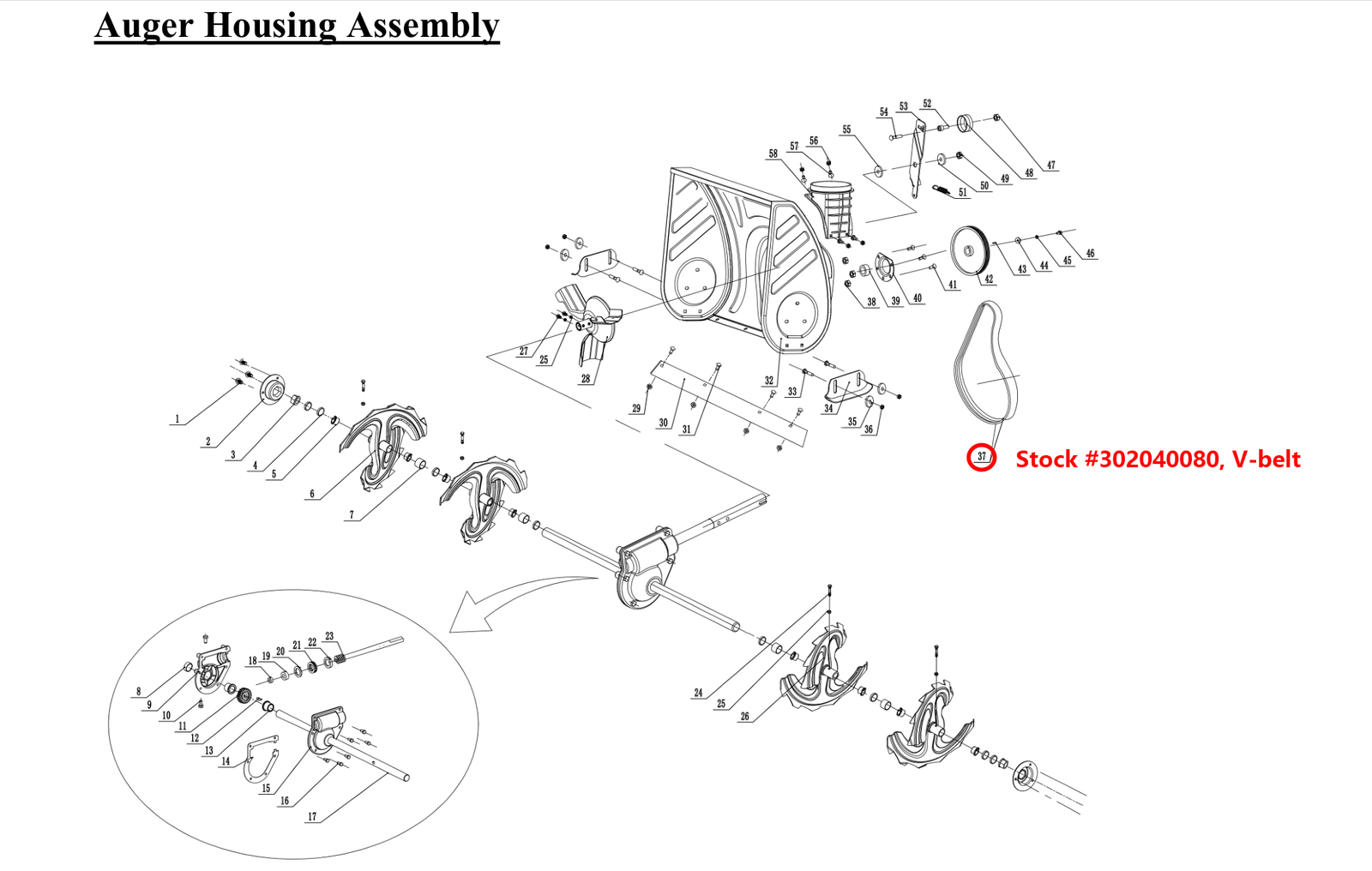
A classic V belt does this once, with one deep wedge. A multi wedge belt does it four times in parallel with four shallow ribs. The total flank area in contact is comparable, but it is spread across four small wedges instead of concentrated in one large one.
Specifications
| Specification | Detail |
|---|---|
| Stock number | 302040080 |
| Belt code | 4PK660 |
| Ribs | 4 |
| Profile | PK, 3.56 mm rib pitch |
| Effective length | 660 mm |
| Grip mechanism | Multiple shallow wedges in parallel |
What the design buys you
Three things, and they all follow from the ribs being shallow.
| Single V belt | Multi wedge belt | |
|---|---|---|
| Belt thickness | Thick | Thin |
| Minimum pulley diameter | Larger | Much smaller |
| Heat generated bending | Higher | Lower |
| Tolerance to misalignment | Better | Worse |
| Flat side usable | No | Yes, can run on a back idler |
The thinness is the point. A multi wedge belt will bend around a small pulley without the internal compression that heats and cracks a thick V belt, which is what lets designers pack a drive into a compact housing. It also means the smooth outer face can run against a flat back idler, so the belt can be routed around obstacles in ways a V belt cannot.
The cost is alignment tolerance, covered below.
Why alignment matters more here
This is the one practical difference that catches people, and it is worth understanding before you fit one.
A V belt sitting slightly off centre is still fully wedged in its single groove. The groove physically holds it in place, and modest misalignment shows up as faster wear rather than immediate failure.
A multi wedge belt has no deep groove holding it. Each rib sits in a shallow valley, and if the pulleys are not in the same plane the belt walks sideways until ribs climb onto the flat lands between grooves. At that point contact collapses onto one or two ribs, the belt shreds along its edge, and it can throw itself off entirely.
So when a multi wedge belt fails early, suspect alignment before you suspect the belt. Sight along the pulleys from the side and check they line up. Our snow blower repair guide covers the check, and Canadian Centre for Occupational Health and Safety covers isolating the machine first.
Fitting a multi wedge belt
Power off, cover off, routing photographed including which face of any back idler the belt runs on. That last detail matters here in a way it does not on a V belt, because the flat outer face may legitimately be in contact with an idler.
When the belt is on, confirm every rib is seated. It is easy to fit a ribbed belt one groove out, with the end rib on the land, and it looks nearly correct. Sight along each pulley edge: the belt should line up flush on both.
Then turn the drive by hand for several revolutions, watching for sideways creep. A belt that walks toward one flange is telling you the pulleys are out of plane, and no amount of tension will fix that.
When a multi wedge belt is finished
Because the ribs are shallow, wear shows up sooner as lost performance than as visible damage. Four things to look for with the belt off and a light on the rib face.
Flattened rib tips. New ribs come to a defined peak. Worn ones round over, which lets the belt settle deeper and reduces the wedging that makes the grip work. This is normal end of life.
A glazed rib face. Shiny rather than matt means the belt has been slipping. On a multi wedge belt that usually points at tension or a worn pulley rather than the belt.
Chunks missing from the valleys. Not wear. That is a belt that has been running misaligned or over a seized idler, so find the cause before fitting a replacement.
Cracks across the ribs. Age hardening, common on a machine that sits for years, and a good reason to replace a belt that looks barely used.
Parts to order with a multi wedge belt
One belt to rule out and one part to inspect.
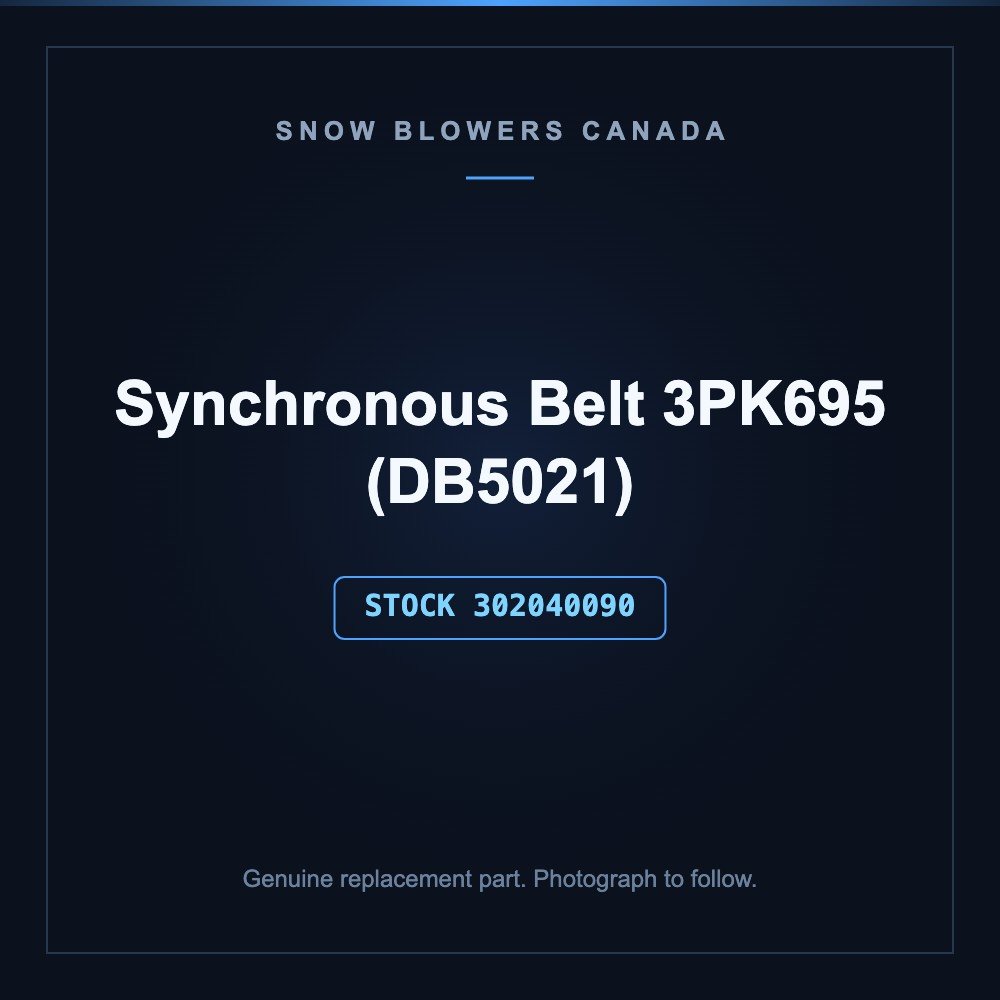
Synchronous Belt 3PK695 (DB5021): same PK profile, different rib count and length, and the closest thing to confuse it with.
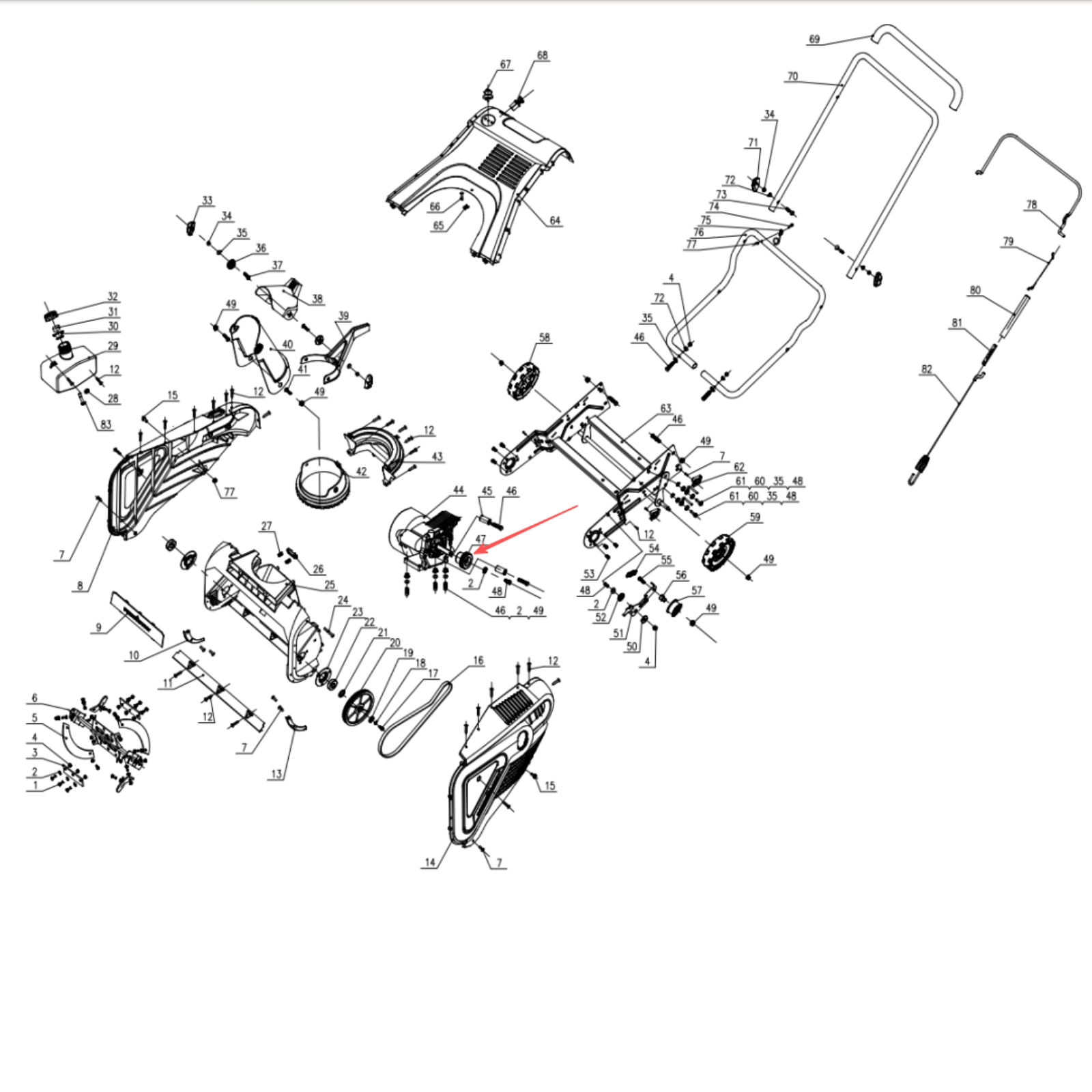
Small Belt Pulley: worn or wrong pulley grooves are the usual reason a ribbed belt fails early.
Common questions
What is a multi wedge belt?
A belt with several shallow V shaped ribs instead of one deep wedge. Each rib wedges into a matching groove, so the grip is shared across several small wedges in parallel.
Why use one instead of a normal V belt?
Because it is much thinner for the same capacity, so it bends around small pulleys without overheating. That lets a drive fit into a compact housing.
Does the smooth back of the belt do anything?
It can. Because the outer face is flat, the belt can run against a back idler, which allows routing around obstacles that a V belt could not manage.
Why did my ribbed belt shred along one edge?
Almost always misalignment. Without a deep groove to hold it, the belt walks sideways until ribs climb onto the flat lands, and then it destroys itself.
Can I fit a 3 rib belt on a 4 groove pulley?
No. The rib count has to match the groove count exactly, or the belt sits wrong and runs on a fraction of the intended contact.
How do I check it is seated properly?
Sight along each pulley from the side. The belt edge should sit flush with the pulley edge on both ends. One groove out looks almost right at a glance.
Reviews
There are no reviews yet.