
Every piece of snow blower advice on this site is written for Canadian snowfall by people who stock the parts. Nothing here is scraped from an American review site, nothing is an affiliate roundup, and where a machine we do not sell is the better answer we say so. Fifteen guides, grouped by where you are in the decision.
On this page
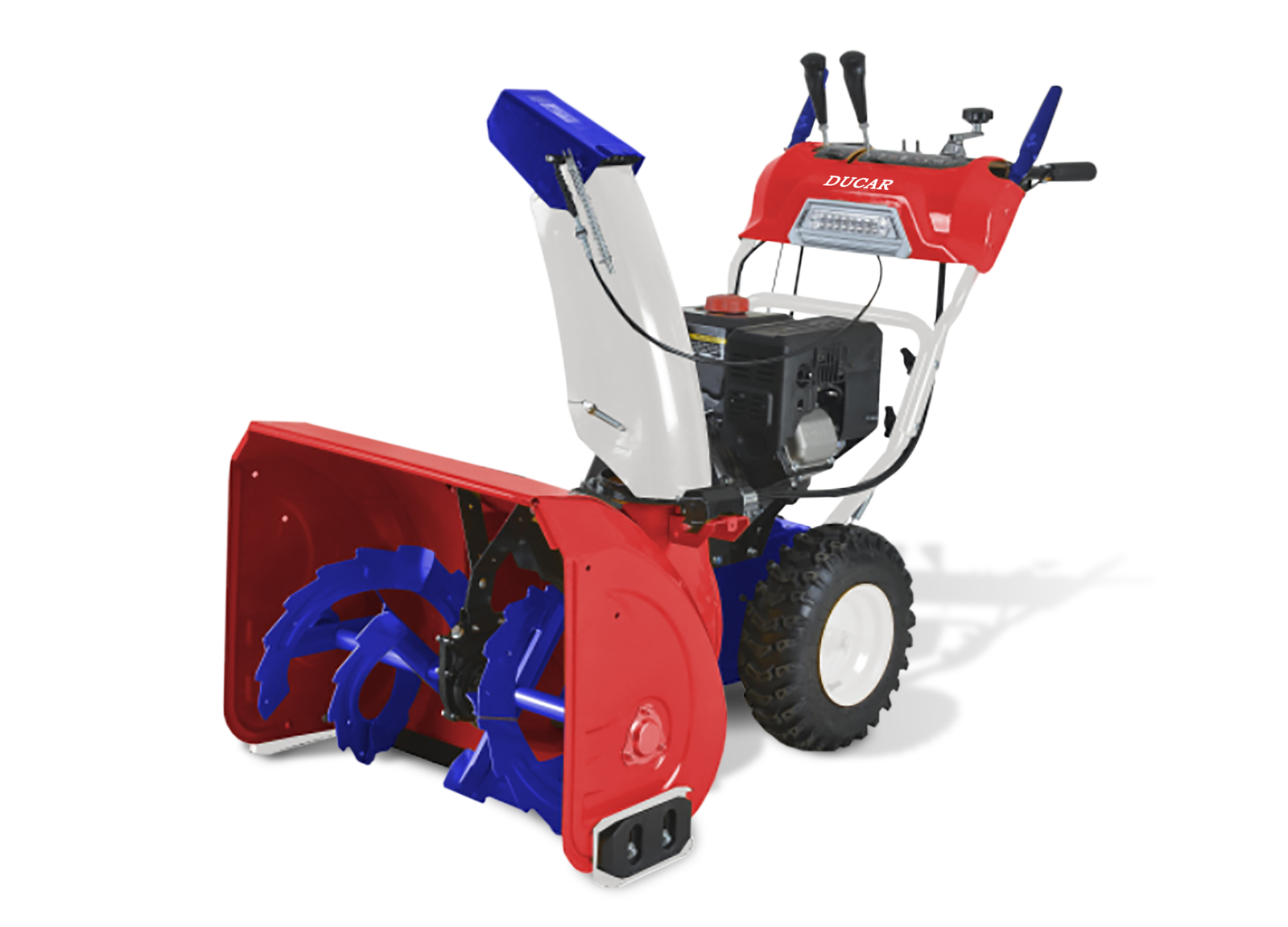
Snow blower advice before you buy
- What size snow blower do I need. Width is a time calculation and stage count is a capability question. This works through the four measurements that settle both.
- Single stage against two stage. Where the real cut off sits, why the plow ridge decides it, and what a two stage costs you in storage space.
- Battery against gas. Decided by driveway length and how your snow arrives, with real costs over fifteen years.
- Corded electric against battery. One question settles it: does an outlet reach everything you clear.
- When to buy. A month by month timeline. October beats December by a wide margin and the reasons are not subtle.
- The buying mistakes that cost most. Ignoring the surface, comparing bare tool against kit prices, and never checking parts supply.
Snow blower advice for Canadian conditions
- Clearing the plow ridge. The densest material your machine meets all winter, and the technique that gets through it without shearing pins.
- Machines for heavy wet snow. Impeller size and intake height matter more than engine cc once the snow is saturated.
- Snow blower safety. The chute rule, gravel and thrown objects, and why exertion in cold air deserves respect.
Snow blower advice once you own one
- The maintenance checklist. Seven seasonal jobs, what stale fuel really does, and the twenty minutes in April that prevents January.
- Snow blower storage. The April routine in full: fuel, oil, cleaning, parts ordering and where the machine should actually sit.
- How long they last. Fifteen to twenty years is normal. What ends them early is a short list and none of it is age.
Snow blower advice when something breaks
- When it will not start. Stale fuel about eighty percent of the time. Six causes in order, from free fixes to the ones worth paying for.
- Shear pins. They are meant to break. Why a hardware store bolt in their place is the most expensive substitution you can make.
- Auger paddles. Three symptoms, a sixty second check, and why a worn machine is usually not a dying machine.
How this snow blower advice is written
Three rules, and between them they explain most of what is different about the guides on this site.
Canadian numbers only. Prices in Canadian dollars, depths in the units people actually use, and snowfall bands taken from Canadian thirty year normals rather than from an American average that describes nowhere in this country. Snow blower advice written for Minnesota is not snow blower advice for Owen Sound, and the difference is measured in feet.
No affiliate scoring. We are not an exclusive dealer for anybody, so a guide can name a Toro or an Ariens where that is the better fit. We stock the wear parts for those machines even though we do not sell them, which is the honest reason we can afford to say it.
Reasoning shown. A recommendation without the reasoning is worth nothing, because your driveway is not the one the reviewer tested on. Every piece of snow blower advice here states the conditions it assumes, so you can tell whether it applies to you.
Advertising and comparison claims in Canada are regulated by Competition Bureau Canada, and that is the standard these pages are held to.
| If you are | Read first | Then |
|---|---|---|
| Starting from nothing | Best snow blowers in Canada | Sizing by driveway |
| Sure of your snowfall | Sizing by driveway | Single against two stage |
| Comparing prices | Prices in Canada | Where to buy |
| Already an owner | Maintenance checklist | Repair guide |
| Standing next to a dead machine | It will not start | Parts by stock number |
Where to start
If you are buying this season, read the picks then the price guide, in that order, and buy in October rather than December. The saving is ten to fifteen percent and the choice of width is far better before the first forecast moves demand.
If you already own a machine and it is autumn, read the maintenance checklist and order the belt now. If it is April, read the storage guide before the machine goes into the shed, because almost everything that goes wrong next December is decided in the twenty minutes after the last clear.
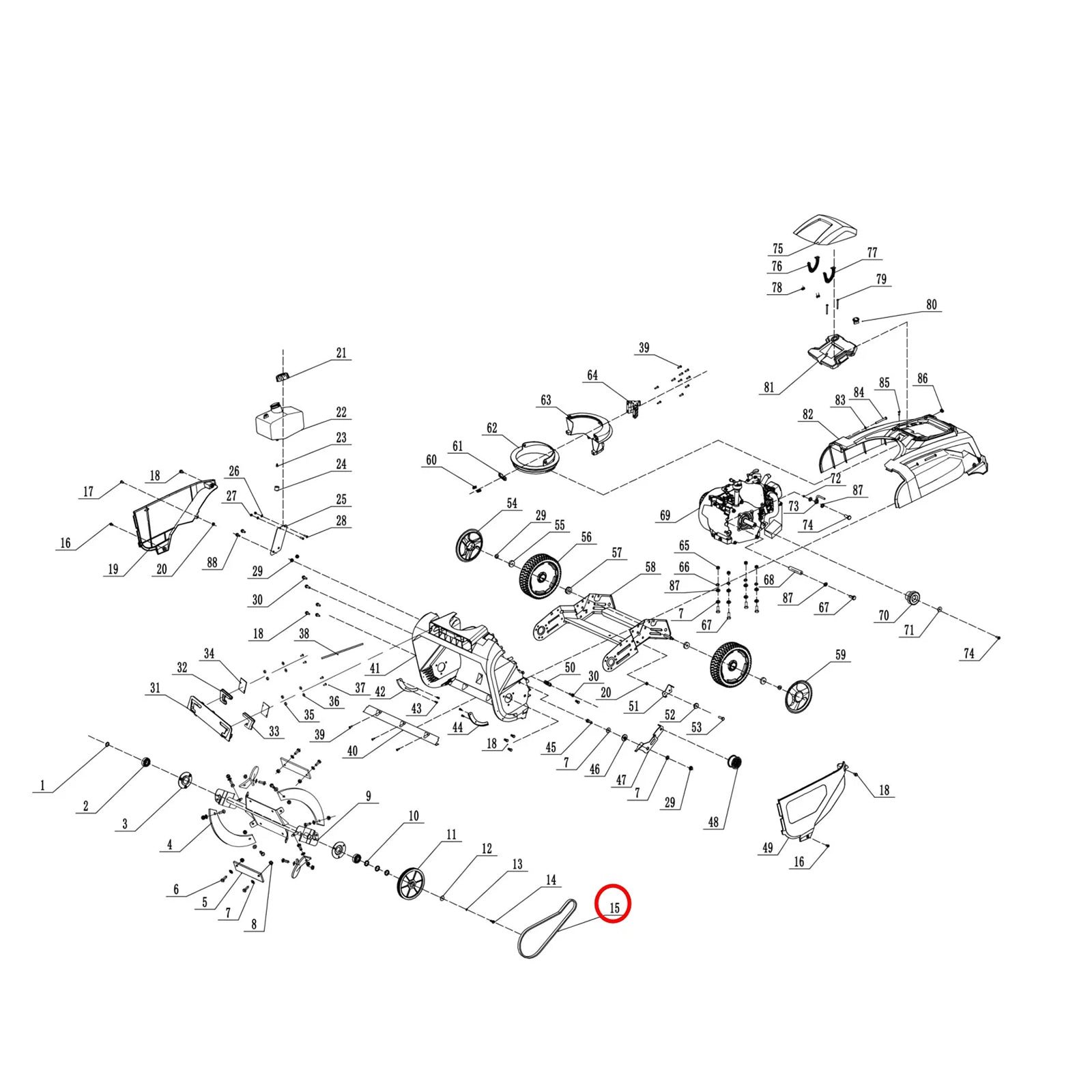
If the machine will not run, start with the repair guide rather than a shop queue in the middle of a storm week. Most of what fails is a belt, a cable adjustment or stale fuel, and all three are things a reasonably careful owner can handle.
Thirty year snowfall normals for your own weather station are published free by Environment and Climate Change Canada, and five minutes there is better snow blower advice than any review. Look at the average depth of a single event rather than the seasonal total, because two cities can share an annual figure and need completely different machines.
Everything we hold is on the full range, sorted by what each class is actually for on the six snow blower types, with the brands we stock set out on the brands page. Attachments for a tractor, quad or skid steer are on the attachments hub.
If a question is not answered by any of the fifteen guides above, the contact page reaches somebody who has taken these machines apart. Send the model number and, where it matters, a photograph of the part.
Snow blower advice by region
The single most common mistake in Canadian buying guides is treating the country as one snow market. It is not, and the right machine in Windsor is the wrong machine in Owen Sound by a factor of two in clearing width.
Coastal British Columbia. Wet, heavy, infrequent. The machine has to handle moisture rather than depth, and the Interior runs considerably deeper than the Lower Mainland. Snow blower advice for the coast is really advice about impeller size.
The prairies. Dry and drifting. A two stage machine throws prairie snow beautifully and then the wind refills the driveway behind you. Width matters more than power, because the job is passes rather than struggle.
Ontario and Quebec. Moderate depth with the plow ridge as the deciding factor. Two stage country for anyone on a municipal street, whatever the snowfall totals suggest. Our Ontario page breaks the province down further.
Atlantic Canada. Depth, wind and salt air arriving together. Rust protection and a machine that clears eighteen inches in one pass are both worth paying for.
Lake effect belts. Depth repeatedly, sometimes twice in a day. Only a large two stage or a three stage machine keeps up without clearing twice.
The territories. Extreme cold changes everything. Battery capacity drops hard, so gas with electric start and a fresh battery is the reliable answer.
Four pieces of snow blower advice worth ignoring
Buy on engine size. A 252 cc engine on a 24 inch housing is a completely different machine from the same engine on a 34 inch housing. Compare engine against width, never engine alone.
Bigger is always safer. A 34 inch machine will not fit through a standard garden gate and will not turn easily at the end of a short drive. Measure the gate and the shed door before the driveway.
Cordless cannot cope. On a paved drive up to about two cars it comfortably can, and it starts instantly at minus twenty. What it cannot do is gravel or a refrozen plow ridge.
Buy for the worst storm of the decade. Size for the typical storm of the season instead. The exceptional storm is two extra passes, not a different machine, and paying for it every year is poor value.
Why a retailer publishes advice at all
The commercial answer is that people who understand what they are buying return fewer machines and come back for parts. That is true and it is the whole business case, so there is no point pretending otherwise.
The less obvious answer is that this category is unusually badly served. Snow blowers are bought once a decade under time pressure, usually in the week of the first real storm, by people who have not thought about augers since the last machine died. That combination produces exactly the conditions in which bad snow blower advice thrives: confident, generic, written for a different climate and monetised by a link.
The specific failures repeat. Recommendations that ignore surface entirely, so somebody with a gravel approach buys a single stage machine and throws stone at their own car. Comparison tables built on engine displacement with no reference to clearing width. Runtime figures for cordless machines quoted from dry powder testing and presented as though March slush behaves the same way. Prices converted from another currency and quietly missing freight.
None of that requires bad faith. It mostly comes from writing at national scale about a product whose correct answer changes every two hundred kilometres. The corrective is not more opinions, it is stating the assumptions: this depth, this surface, this driveway length, this province.
The other thing a retailer can add, which a review site cannot, is parts reality. We know which machines we still stock belts for, which model years changed components mid production, and which parts vanish from Canadian supply after five years. That knowledge does not appear in any specification sheet and it decides whether a machine is a ten year purchase or a five year one. It is the most useful snow blower advice we have, and it is the least glamorous.
So the guides here are deliberately narrow. They answer a question, state the conditions, name the machine that fits and say plainly when the answer is something we do not sell. If that costs a sale occasionally, it is a reasonable price for advice worth reading twice.
One last note on using any of this. Snow blower advice is only useful against a specific driveway, so before you read a word of it, go outside and note three things: how long the drive is, whether any part of it is unpaved, and roughly how deep it gets in one ordinary storm. Those three facts turn every guide below from interesting reading into an actual decision, and they take about four minutes to establish.
Common questions
Is this snow blower advice specific to Canada?
Yes. Prices are in Canadian dollars, snowfall bands come from Canadian thirty year normals, and the conditions covered include the plow ridge and saturated March snow rather than an American average.
Do you only recommend machines you sell?
No. We are not an exclusive dealer for anyone, so the guides name Toro, Ariens, Honda and others where those are the better fit. We stock the wear parts for those machines even though we do not sell them.
Which guide should I read first?
If you have no starting point, best snow blowers in Canada. If you already know your typical single snowfall depth, go straight to the sizing guide instead.
How often is this advice updated?
Prices and model references are reviewed each season before the range changes over in late summer, because a price guide carrying last year numbers is worse than no price guide at all.
Do the guides cover attachments?
Yes. The attachments hub covers three point hitch, front mount, ATV and skid steer units, including hitch categories and hydraulic flow, which is where most fitment mistakes happen.
Is there a faster way to size a machine?
The snow depth finder on our home page sizes a machine from your typical single snowfall in about ten seconds. The written guides are for when you want the reasoning.
Where do I find the right part number?
The repair guide shows where the manufacturer stock number is stamped on each common component. Search the parts catalogue by that number rather than by machine name.
Can I ask a question directly?
Yes, through the contact page. Include the model number and a photograph of the part where relevant, and the answer comes from somebody who has worked on the machine.